






Understanding Upper Back (Thoracic) Pain
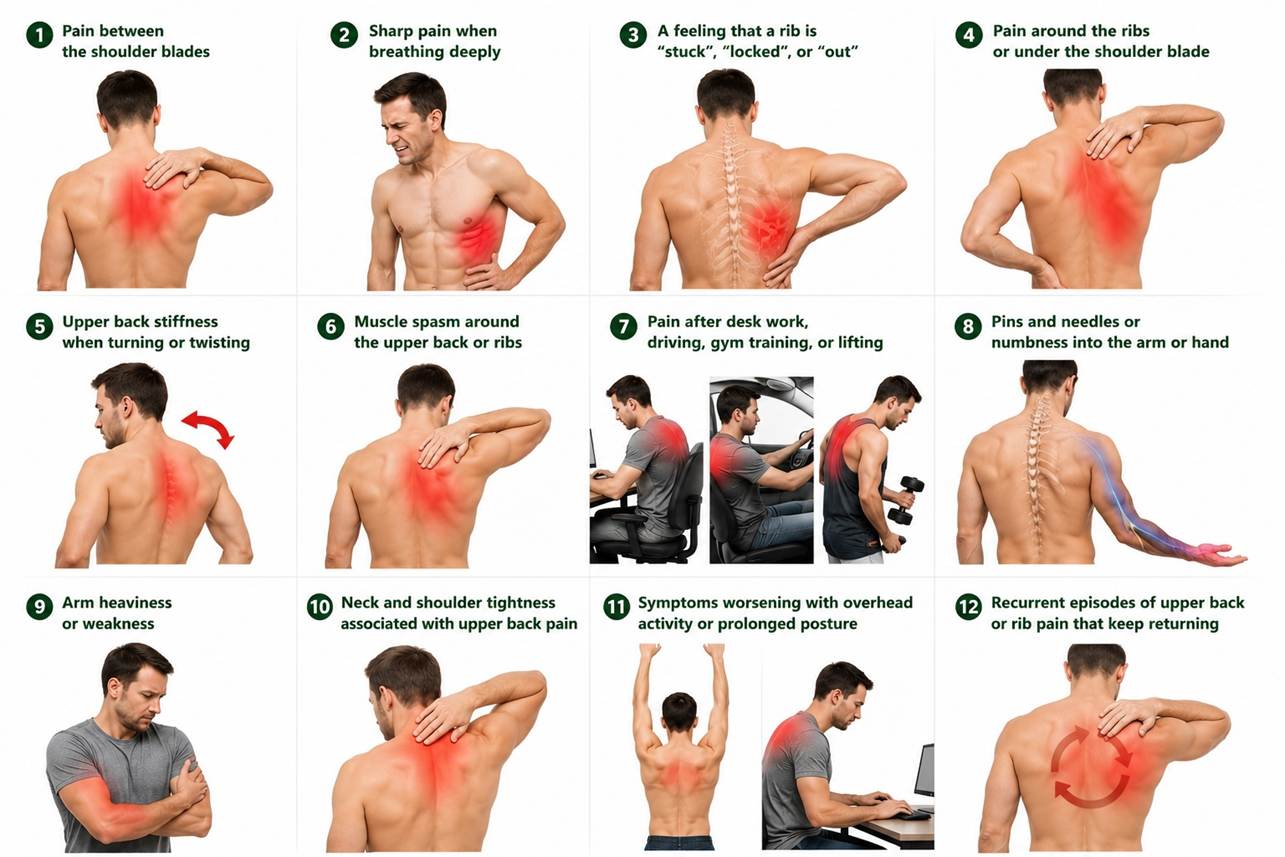
Upper back pain, also known as thoracic spine pain, refers to discomfort felt between the neck and lower back. The thoracic spine is made up of 12 vertebrae connected to the ribs, creating a strong but mobile structure that supports posture, breathing, and upper body movement.
Pain in this region is common in people who spend long hours sitting, working at computers, driving, lifting incorrectly, or participating in repetitive sports and gym activities. Stiffness, muscle tension, poor posture, and irritation of the rib joints can all contribute to persistent discomfort.
At times, pain may also come from a condition known as a rib head subluxation, where one of the small joints connecting the ribs to the spine becomes irritated or partially restricted.


What Is a Rib Head Subluxation?
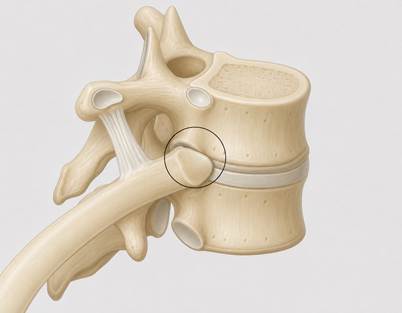
A rib head subluxation occurs when the small joint where a rib attaches to the thoracic spine becomes stiff, irritated, or slightly misaligned. Although the term “subluxation” is commonly used clinically, it does not usually mean the rib is fully dislocated. Instead, it often refers to a painful restriction or irritation of the rib-spine joint.
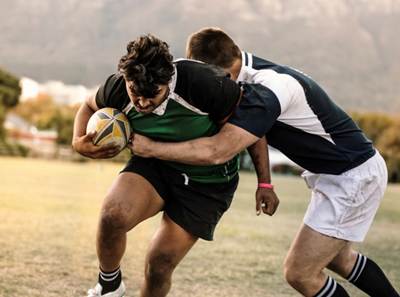
This can happen suddenly during:
Patients often describe:
Because the ribs move during breathing, even simple actions like coughing, laughing, or deep breathing may become uncomfortable.
Common Causes of Thoracic Pain
Thoracic and rib-related pain may develop from:
In some cases, thoracic pain may also be linked to scoliosis, arthritis, disc irritation, or postural changes.
Symptoms of Thoracic & Rib Joint Dysfunction
Symptoms can vary from mild stiffness to sharp, movement-related pain.
Common symptoms include:
Some patients also experience referred discomfort into the chest, shoulder, or neck.
How Physiotherapy Can Help
Physiotherapy focuses on reducing pain, restoring mobility, and improving overall spinal and rib function. Treatment is customised to the individual and based on the underlying cause of the symptoms.
At Greenside / Kyalami Physio Kitanov, treatment may include:
When to Seek Professional Help
You should consider physiotherapy assessment if:
Early treatment may help prevent chronic stiffness and recurring flare-ups.
Important Medical Red Flags
Although most thoracic and rib pain is mechanical and musculoskeletal, medical assessment is important if you experience:
These symptoms may require referral to a doctor or specialist for further investigation.
Physiotherapy for Upper Back Pain at Greenside/Kyalami Physio Kitanov
At Greenside/ Kyalami Physio Kitanov, we take a thorough and hands-on approach to thoracic spine and rib-related pain. Treatment aims to reduce pain, improve movement, restore function, and help patients return confidently to daily activities, work, gym training, and sport.
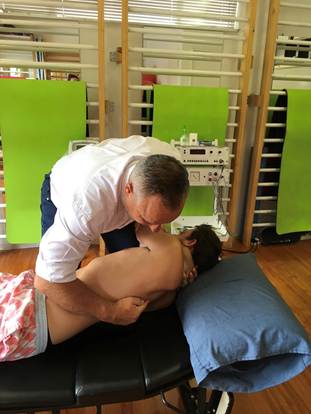
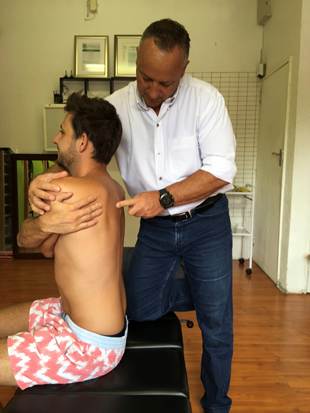
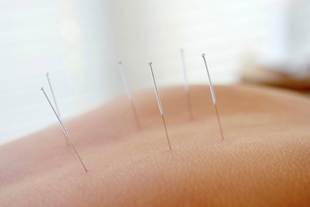
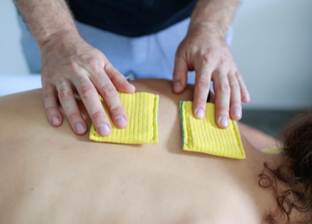
Each treatment plan is individualised and may combine manual therapy, dry needling, electrotherapy, exercise rehabilitation, and postural correction to support long-term recovery and spinal health.
Frequently Asked Questions About Upper Back and Rib Head Subluxation Pain
What is upper back and rib head subluxation pain?
Upper back and rib head subluxation pain refers to irritation or restricted movement where the ribs connect to the thoracic spine. This may cause sharp, aching, or stabbing pain between the shoulder blades or around the ribs and chest wall.
What causes rib head subluxation pain?
Common causes include poor posture, repetitive strain, heavy lifting, sudden twisting movements, coughing, sports injuries, prolonged desk work, or muscle tension in the upper back and chest.
What does rib joint pain feel like?
People often describe the pain as sharp, catching, or stabbing, especially during deep breathing, twisting, coughing, or certain arm movements. Some may also experience muscle tightness or discomfort around the shoulder blade.
Can upper back rib pain cause pain when breathing?
Yes. Because the ribs move during breathing, irritation of the rib joints or surrounding muscles may cause pain when taking deep breaths, coughing, sneezing, or laughing.
Is rib head subluxation dangerous?
Most cases are musculoskeletal and not dangerous, but chest or upper back pain should always be assessed properly to rule out more serious medical causes such as heart, lung, or abdominal conditions.
When should I seek urgent medical attention for upper back or rib pain?
Seek immediate medical care if you experience chest pressure, shortness of breath, dizziness, fever, unexplained weight loss, severe trauma, numbness, weakness, or pain spreading into the jaw or left arm.
Can physiotherapy help upper back and rib pain?
Yes. Physiotherapy may help reduce pain, improve mobility, relieve muscle tension, and restore normal movement of the thoracic spine and rib joints.
What treatments are used at Greenside/Kyalami Physio Kitanov for rib and upper back pain?
Treatment may include thoracic spinal manipulation, rib joint mobilisation, soft tissue therapy, dry needling, posture correction exercises, stretching, and electrotherapy such as IFC or TENS to reduce pain and muscle spasm.
What is spinal or rib manipulation?
Spinal and rib manipulation are hands-on techniques used to improve joint movement and reduce stiffness in the upper back and rib joints. Many patients experience improved mobility and pain relief after treatment.
Can poor posture cause rib and upper back pain?
Yes. Slouched sitting, forward head posture, and prolonged computer work can place increased stress on the thoracic spine and rib joints, leading to pain and muscle tightness.
How long does rib head subluxation pain take to heal?
Mild cases may improve within a few days to weeks, while more persistent or recurrent problems may require several physiotherapy sessions and ongoing exercise management.
Can exercise help upper back and rib pain?
Yes. Specific exercises can improve posture, mobility, breathing mechanics, and muscle strength to reduce strain on the upper back and ribs.
Why does my upper back click or pop?
Clicking or popping can occur when stiff joints begin moving again or when pressure changes occur in the joints. Occasional painless clicking is common, but painful or persistent symptoms should be assessed.
Can stress contribute to upper back pain?
Yes. Stress can increase muscle tension in the neck, shoulders, and upper back, which may aggravate rib joint irritation and stiffness.
How can I prevent upper back and rib pain from returning?
Maintaining good posture, taking regular movement breaks, strengthening the upper back muscles, improving workstation ergonomics, and staying active may help reduce recurrence.


© Copyright, Greenside Physiotherapy, Disclaimer, Design and Development Milcheff.com
The logos and trademarks used on this site are the property of their respective owners.