






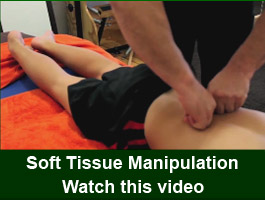
Back pain, especially lower back pain and sciatica, is one of the most common reasons people seek physiotherapy. It can involve muscles, joints, discs, or nerves, and often affects how you move, sit, and live day to day.
Low Back Pain vs Sciatica: What is the Difference?
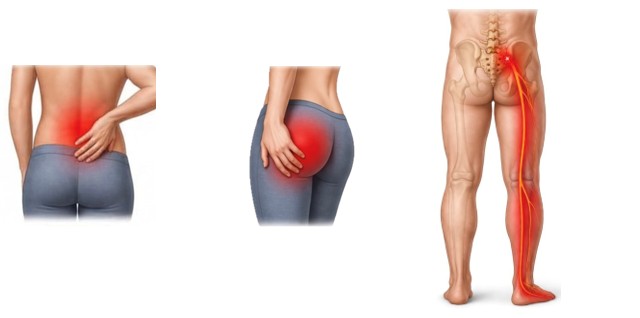
Low Back Pain (Lumbar Spine)
Do You Recognise These Symptoms?
Sciatica (Lumbar Radiculopathy)
Do You Recognise These Symptoms?
These symptoms may indicate mechanical dysfunction, nerve irritation, or disc involvement in the lumbar spine. A thorough assessment can identify the underlying cause and guide appropriate treatment.
What Causes Low Back Pain?

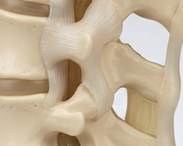
The Most Common Causes of Low Back Pain
1. Muscle or Ligament Strain This is the number one cause of low back pain.
It usually happens when you:
2. Poor Posture (Especially Sitting)
Spending long hours sitting, especially hunched over a desk or phone, puts stress on your lower back.
Over time, this can lead to:
Common in: Office workers, drivers, and students.
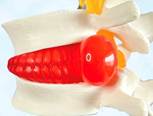
3. Disc Problems (Bulging or Herniated Discs)
Your spine has soft cushions called discs. When these become damaged, they can press on nearby nerves.
4. Wear and Tear (Aging Changes)
As we age, the spine naturally changes. Discs lose hydration and joints become stiffer.
5. Joint Stiffness or Irritation
The small joints in your spine can become restricted or inflamed.
6. Lifestyle Factors
Your daily habits play a big role in back health.
Contributors include:
What Causes Sciatica?
Sciatica refers to pain that travels down the leg, caused by irritation of the sciatic nerve (the largest nerve in the body).
It’s a symptom, not a diagnosis.
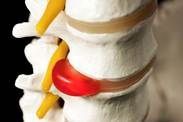
Common Causes of Sciatica
1. Herniated Disc (Most Common Cause)
A damaged disc can press on a nerve in your lower back.
2. Spinal Narrowing (Stenosis)
When spaces in the spine narrow, they can compress nerves.
3. Tight Piriformis Muscle
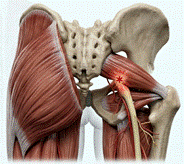
A small muscle deep in the buttock can irritate the sciatic nerve if it becomes tight.
4. Degeneration of the Spine
Wear and tear over time can reduce space for nerves, leading to irritation.
5. Spinal Misalignment or Instability 
6. Injury or Trauma
Falls, car accidents, or sports injuries can trigger sciatic nerve irritation.
7. Pregnancy
Changes in posture, weight, and hormones during pregnancy can put pressure on the sciatic nerve.
Can Physiotherapy help Lower back pain and sciatica?
Yes, physiotherapy is one of the most effective, evidence-based treatments for both low back pain and sciatica. In both our practices (Greenside and Kyalami) we don’t just treat the pain, we identify and address the root cause, helping you recover and prevent it from coming back.
How Physiotherapy Can Help Lower Back Pain?
Through hands-on treatment and guided movement, physiotherapy helps:
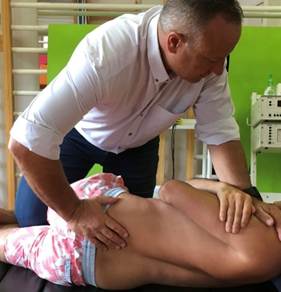
What does the Treatment of Low Back Pain involve?
1. Spinal Manipulation for Low Back Pain:
What is Spinal Manipulation?
Spinal manipulation is a hands-on technique where a physiotherapist applies a controlled, quick movement to joints of the spine.
How It Works
Benefits

2. Dry Needling:
What is Dry Needling?
Dry needling involves inserting acupuncture needles into muscle trigger points to relieve pain and tension.
How It Helps:
3. Electrotherapy:
What is Electrotherapy? Electrotherapy uses electrical currents to reduce pain and promote healing as well as stimulate damaged nerves and muscles.
In both our practices, Greenside and Kyalami Estates, we use:
How It Works
4. Improved Posture and Daily Habits
Small changes can make a big difference.
You’ll learn:
How Physiotherapy Helps Sciatica
Sciatica involves irritation of a nerve, so treatment focuses on reducing pressure on that nerve.
1. Relieves Nerve Pressure
By restoring mobility of joints of spine and pelvis.
Deactivating the Trigger points of piriformis muscle.
Decreasing the muscle spasm.
2. Treats the Underlying Cause
Whether your sciatica is due to a disc issue, muscle tightness, or joint restriction, physio focuses on fixing the source—not just masking symptoms.
3. Prevents Recurrence
How Long Does It Take to See Results?
Many patients notice improvement within:
Consistency is key.
When Should You See a Physiotherapist?
You should consider physiotherapy if:
Is Physiotherapy Better Than Rest?
Yes. Prolonged rest can actually slow recovery.
Research shows that:
The Bottom Line
Physiotherapy is a first-line treatment for both low back pain and sciatica.
It helps you:
Why This Keeps Happening
Pain is usually the end result, not the starting point.
Our Approach: Treat the Cause. Change the Pattern.
If temporary relief was enough, you’d already be fine.
What we focus on instead is lasting change.
1. Settle the pain
Reduce irritation, sensitivity, and guarding so movement becomes possible again.
2. Restore movement
Your spine, hips, and nerves need to move well together. That’s where real progress starts.
3. Rebuild strength and confidence
Because the goal isn’t just less pain - it’s moving without constantly thinking about it.
What Your Treatment May Include
No templates. No copy-paste rehab plans.
Your treatment is based on what your body needs:
Everything we do has a purpose - and you ’ll understand it.
What to Expect in Your First Session
This isn’t a quick in-and-out appointment.
We take the time to:
You’ll have a:
You will receive your 1st treatment.
Safety and referral
Your health is our top priority. While most cases of lower back pain and sciatica, are mechanical and respond well to treatment, it ’s essential to recognise when something may require further medical attention. We carefully screen for red flags (eg: saddle anaesthesia, bowel/bladder changes, and severe bilateral symptoms) and will refer you to a medical practitioner if your symptoms suggest a cause outside the scope of physiotherapy care.
Where to Find Us
You can see Rado Kitanov at:
FAQ
How long does lower back pain take to improve?
It depends on the cause, but with the right approach, most people start noticing meaningful improvement within a few sessions.
Can sciatica go away on its own?
Sometimes, but if the underlying cause isn’t addressed, it often returns. Proper treatment speeds up recovery and reduces recurrence.
Should I rest or stay active?
Complete rest usually slows recovery. The key is the right kind of movement, introduced at the right time.
Do I need a scan first?
In most cases, no. A thorough physiotherapy assessment can identify the problem without imaging.
Ready to Move Forward?
You don’t need to wait for it to get worse.
If your back is limiting how you move, train, or live – it’s time to fix the cause, not just manage the symptoms.


© Copyright, Greenside Physiotherapy, Disclaimer, Design and Development Milcheff.com
The logos and trademarks used on this site are the property of their respective owners.