






Headaches are common, but they are not all the same.
For many people, headaches are closely linked to the neck, upper back, jaw, and posture, rather than being a primary neurological problem.
If your headaches are accompanied by neck pain or stiffness, develop after long periods of sitting or desk work, or feel worse with certain movements or positions, there may be a musculoskeletal component contributing to your symptoms.
Physiotherapy focuses on identifying and addressing these contributing factors in a thorough and individualised way.
Do you recognise your headache?
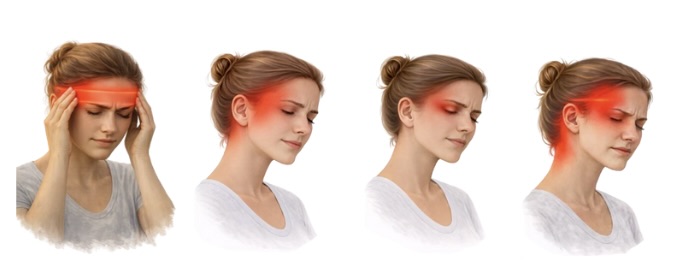
You may recognise your symptoms in one or more of the descriptions below:
When these patterns are present, physiotherapy can play an important role in both relief and long-term management.
Types of headaches we commonly treat
Tension-type headaches
Often described as a tight band or pressure around the head, these headaches are commonly linked to muscle tension, sustained postures, and reduced movement in the neck and upper back.
Cervicogenic (neck-related) headaches
These headaches originate from the neck and upper cervical spine. Pain often starts at the base of the skull and may travel toward the temple or behind the eye, usually affecting one side more than the other.
One-sided headaches
Headaches that consistently affect one side of the head may be linked to asymmetrical neck movement, joint irritation, or postural loading patterns.
Deep / behind-the-eye headaches
Often described as a deep, pressure-like pain behind the eyeball, these headaches can feel sinus-related but may have a mechanical or neck-related component.
Jaw (TMJ)-related headaches
Jaw tension, clenching, or dysfunction of the temporomandibular joint can refer pain to the temples, side of the head, and face, sometimes mimicking other headache types.
Why headaches keep recurring
Headaches often persist because the underlying cause has not been fully addressed. Contributing factors may include:
Understanding why your headache is happening is a key part of effective management.
How our physiotherapy treatment can help
Physiotherapy for headaches begins with a thorough assessment, not a one-size-fits-all approach.
This may include:
Our Treatment is structured to address your specific presentation and may involve:
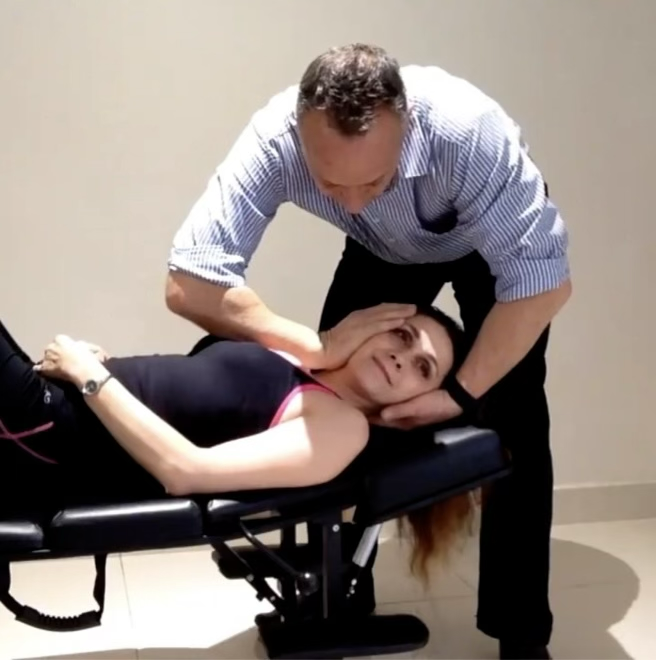

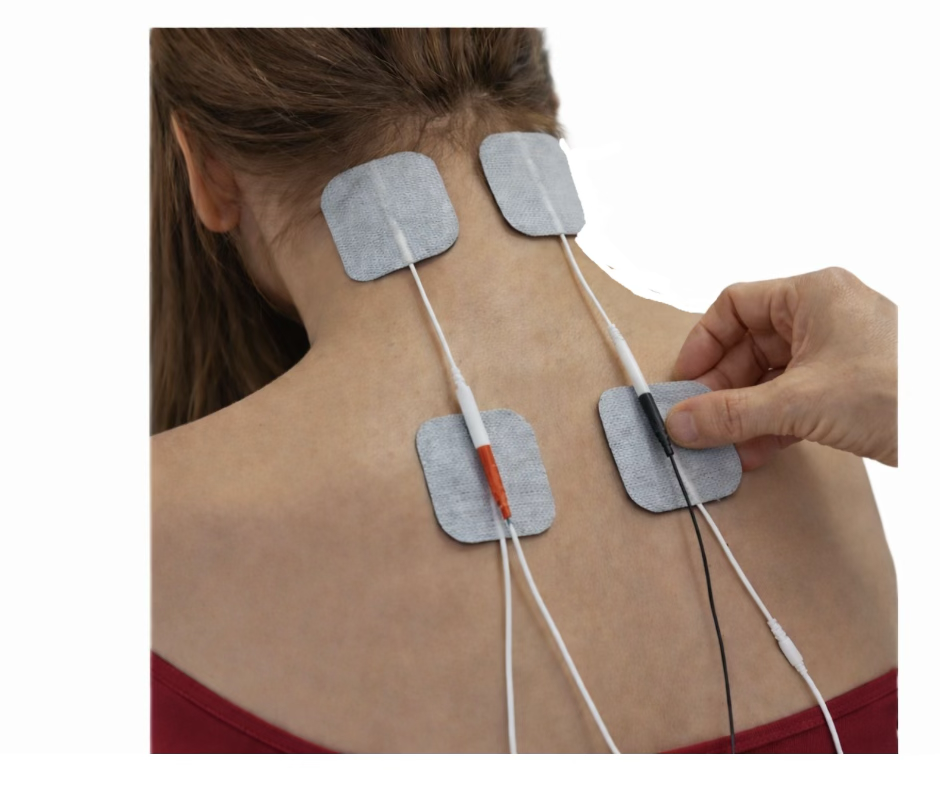
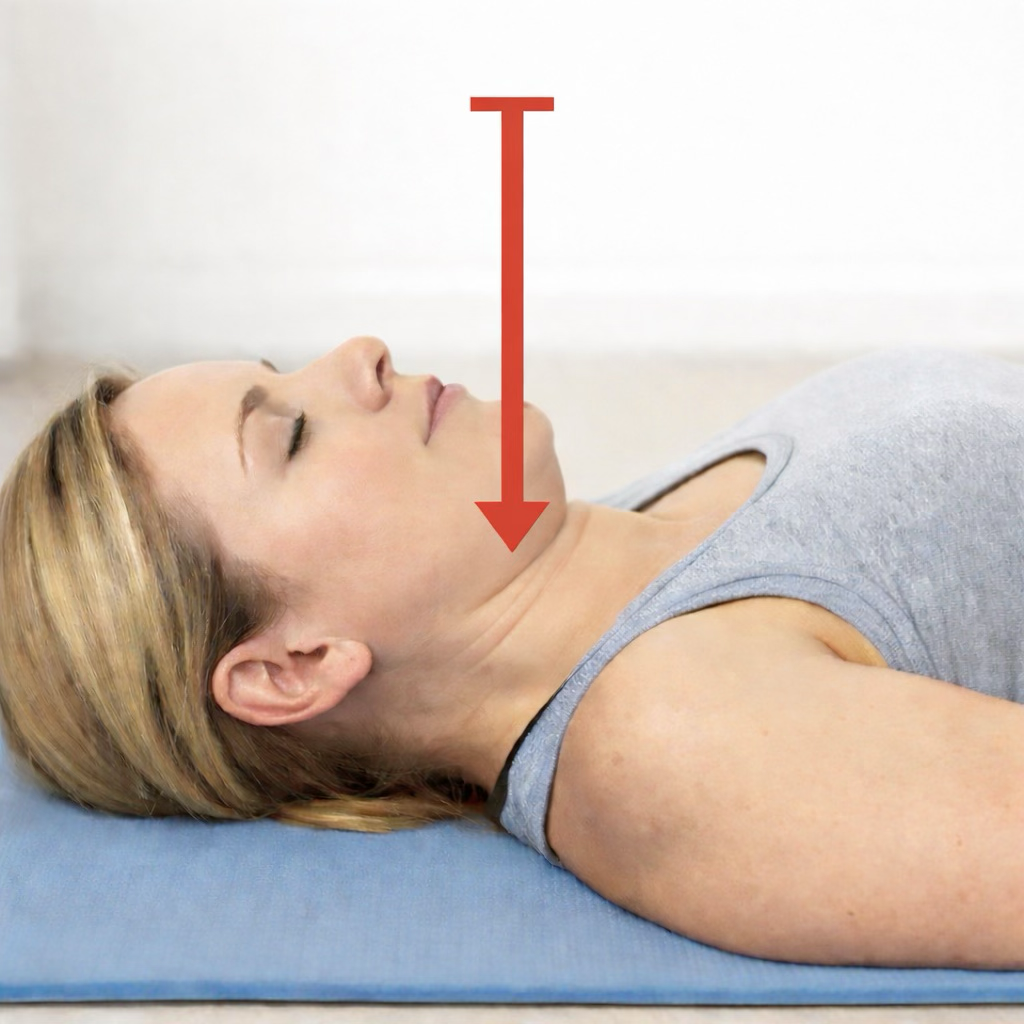
Although not every headache can be completely resolved, many people are surprised by how much improvement is possible. Over the years, we have successfully treated headaches that were previously described as “incurable” once the underlying contributing factors were properly addressed.
Safety and referral
Not all headaches are suitable for physiotherapy.
We carefully screen for red flags and will refer you to a medical practitioner if your symptoms suggest a cause outside the scope of physiotherapy care.
Your safety and appropriate management are always the priority.
Headaches that require medical management
Some headache types, such as cluster headaches, are neurological conditions and require medical assessment and management as the primary form of treatment.
Physiotherapy serves as a complementary (adjunctive) treatment for cluster headaches. While it cannot address the underlying neurological cause, it may help reduce the frequency and overall impact of attacks when used alongside standard medical management.
In this context, physiotherapy focuses on:
Evidence from case series and clinical trials suggests that physiotherapy may provide short-term benefits for some individuals, although responses vary and not all patients experience improvement.
Recognising this headache pattern is essential so that appropriate medical care is prioritised, with physiotherapy considered only as a supportive component where clinically appropriate.
What patients often ask
Can physiotherapy help if I’ve had headaches for years?
Yes. Long-standing headaches can often improve once contributing mechanical factors are identified and addressed.
How many sessions will I need?
This varies depending on the type and duration of your headaches. Some people notice improvement immediately, while others require a longer-term approach.
Will treatment make my headache worse at first?
In rare occasions, some people may experience a temporary increase in headache intensity when starting treatment.
Next steps
If your headaches are linked to neck pain, stiffness, posture, or jaw tension, physiotherapy can help.
A thorough assessment can determine whether physiotherapy is appropriate for you and guide the most effective plan forward.


© Copyright, Greenside Physiotherapy, Disclaimer, Design and Development Milcheff.com
The logos and trademarks used on this site are the property of their respective owners.